
A party of six sat down at a restaurant in the Philippines. The food was incredible. When the bill came, the restaurant only took cash and GCash. No card terminal, no ATM nearby. They had to leave.
It happened again at a grocery store, at a dive shop, at a car rental. Across every island, for three weeks. Visitors who wanted to spend, and merchants who wanted to serve them, separated by a payment system that wasn't built for both.
That's why we're building CocoSend.
Over 90 million Filipinos pay with GCash. It's the standard. A visitor's only route in is a 30-day tourist wallet, open to US phone numbers, that can't be activated until you land, and many merchants have no reason to accept anything else. So the visitor is stuck with cash they may not have, at an ATM they may not find, and the merchant loses a sale.
Visitors fund a balance from home. At the merchant, they scan and pay. CocoSend settles pesos into the merchant's existing GCash or bank account, through licensed payment partners. No new device, no new app for the vendor, no local wallet for the visitor.
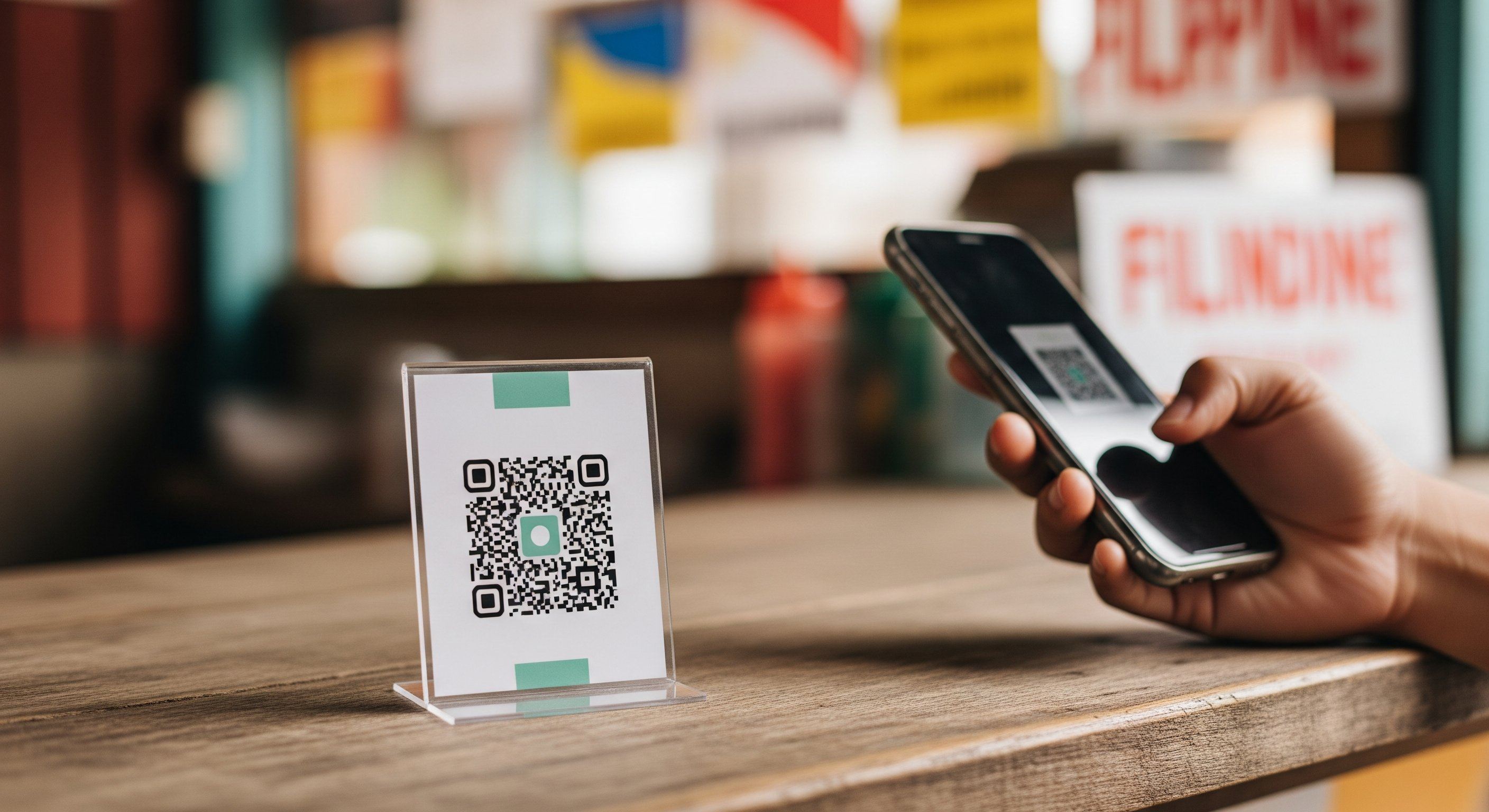
The same gap exists in every cash-heavy tourist economy where visitors can't pay the people they buy from.
Launching open across the whole country, settling into the GCash and bank accounts vendors already use.
Bali, Thailand, Vietnam: the same gap and the same playbook on a new local rail.
The way visitors pay local vendors across emerging markets, plus the software those vendors run on.
CocoSend is a software layer, not a bank. We ride licensed US and Philippine payment rails, operated by the payment partners who hold those licences and carry the regulatory obligations that come with them. CocoSend does not hold customer funds and does not run a payment rail of its own, which is what lets us focus on the product and the experience.
Whether you're a visitor, vendor, investor, or partner, we'd like to hear from you.
 CocoSend